

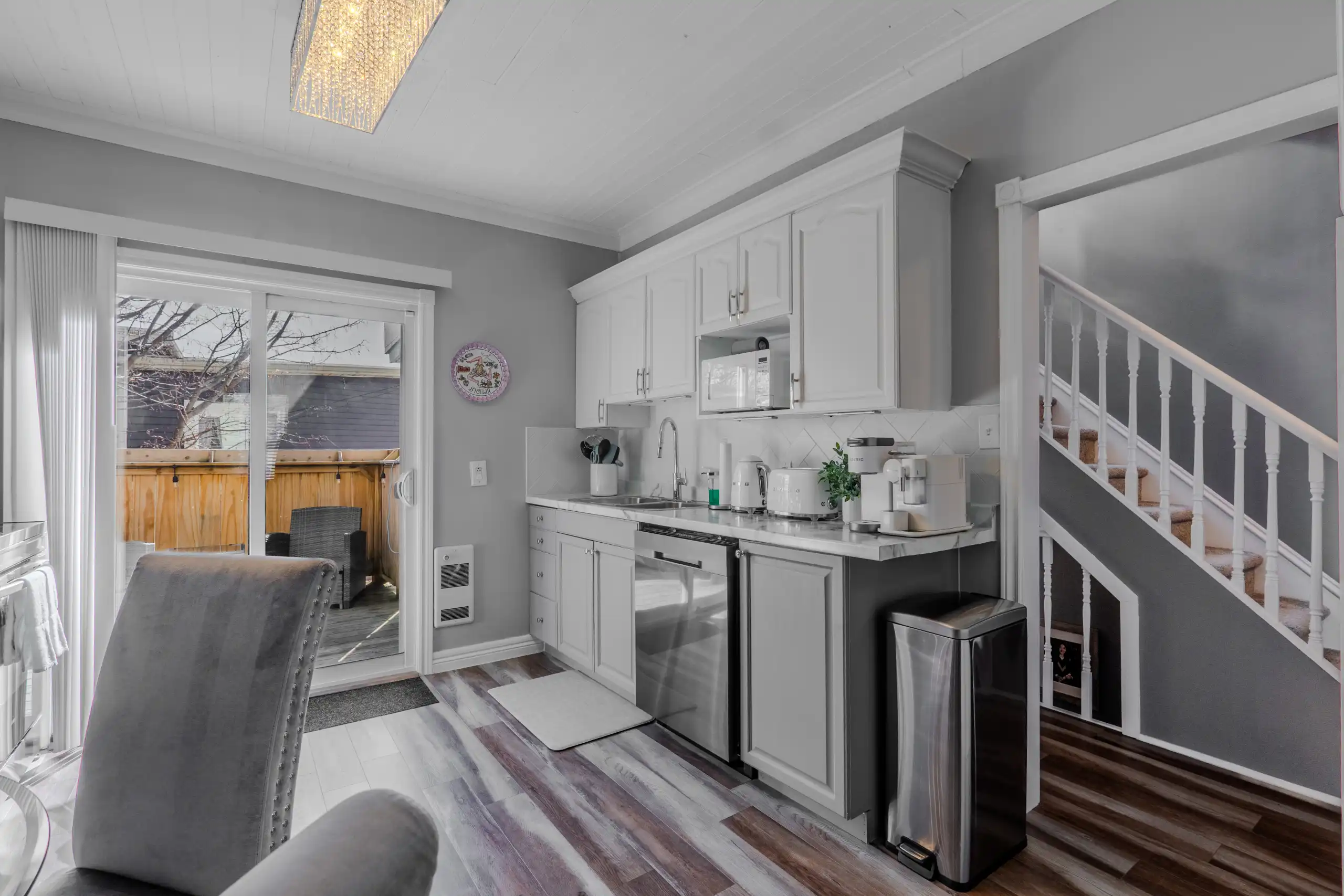
If you’re moving up to a bigger home in St. John’s, decide what the extra space needs to fix before you decide how many bedrooms to search for.
A fourth bedroom can be useful. It can also leave you with the same crowded entrance, awkward kitchen and nowhere quiet to work. The better question is whether the next home gives your household a more workable day.
Write down the three problems with your current home
Be specific. “We need more space” is hard to use at a showing. “Two people work from home, boots take over the entrance and guests sleep beside the children” gives you something to check.
Then separate needs from preferences. A quieter work area may matter more than a larger dining room. Storage near the door may be more useful than a finished room you won’t use. Bring those priorities to viewings in St. John’s, Mount Pearl, Paradise and CBS rather than letting each attractive kitchen reset the search.
Follow the route from the car to the kitchen
Picture arriving with groceries, a bag and wet outerwear. Which entrance would you actually use? Where would everything land? Is there enough space to put things down without blocking the door?
Look at the relationship between the entrance, stairs and kitchen. A large floor plan can still feel awkward if every ordinary task involves a detour. Ask where everyday coats, boots, school bags or hobby equipment would go.
Give each bedroom a real job
Count the sleeping rooms your household needs, then think about what else the rooms must do. A guest room that is also an office may work well if visitors are occasional. It may be frustrating if someone needs to work while family stays for a week.
Measure furniture instead of estimating from listing photos. Check space around the bed, closet access and where a desk would fit. Notice whether bedrooms share a wall with the television area, kitchen or mechanical space. These are practical observations; questions about construction or soundproofing need proper follow-up.
Compare together space with separate space
An open main floor may suit cooking and conversation. A separate room may suit reading, remote work or different evening schedules. Neither layout is automatically better.
During the showing, describe a normal evening: someone making supper, someone taking a call and someone watching television. Where does each activity happen? If every answer depends on a renovation, put that work on the decision sheet before you commit.
Check the space you’ll use less often
- Laundry: Where are clothes stored, washed and put away? How much carrying is involved?
- Storage: Is there a sensible place for seasonal items, tools and sports equipment?
- Bathrooms: Does their location suit mornings, visitors and the rooms you’ll actually use?
- Outdoor access: How do you reach the yard or deck from the living area?
- Stairs: Will the arrangement still suit you if household needs change?
Don’t assume a basement room can become an extra bedroom, apartment or office with a few cosmetic changes. Confirm its present use and investigate proposed alterations with the appropriate professionals and municipality before treating the possibility as part of your purchase plan.
Score the improvement, not just the size
After each showing, rate your three original problems as solved, partly solved or still present. Add a separate column for new compromises. This makes it easier to recognise a home that fits, even if another property has a higher bedroom count.
CMHC’s Homebuying Step by Step resources recommend setting priorities and planning your budget. Apply both to a move-up purchase: compare the useful space with the full cost you would take on, using actual property information and your lender’s advice.
For condition and showing questions, use my home-viewing checklist. For coordinating the move, read whether to buy or sell first.
Build a search around what needs to change
Tell me the three things your current home no longer does well. Contact Ryan Elliott or call 709-687-7726, and we’ll turn those into a practical move-up home shortlist in St. John’s Metro.