

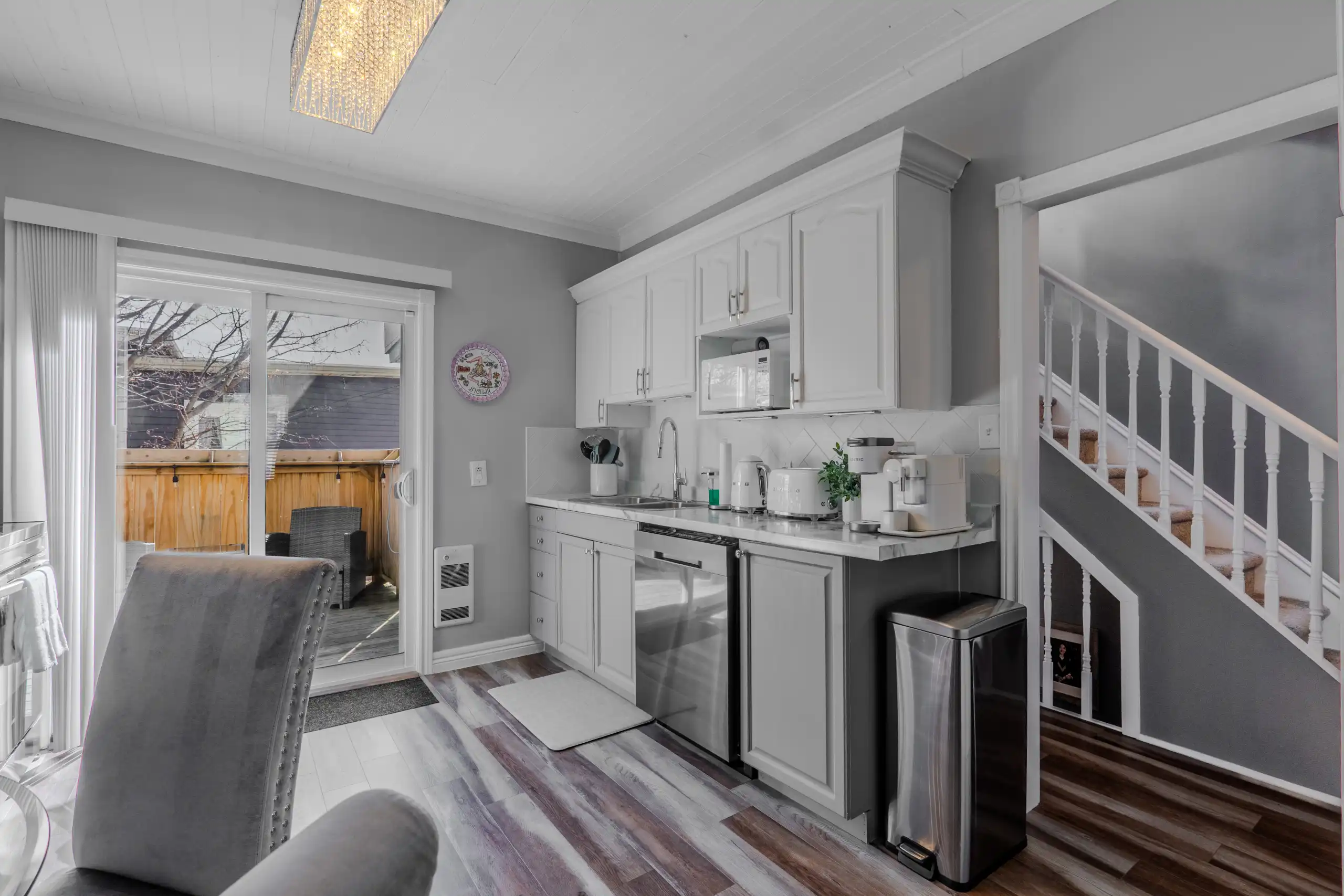
A house can look right in the photos and still be wrong for your everyday life. The kitchen catches your attention. The yard feels perfect. Then you realise the driveway, layout or work the home needs does not fit your plans.
If you are buying in St. John’s, Mount Pearl, Paradise, CBS or the surrounding communities, use your viewing to answer three questions: Does the location work? Does the house function for you? What needs professional follow-up?
I’m Ryan Elliott, a REALTOR® with Royal LePage Vision Realty. Here is a practical checklist to help you compare homes without letting the nicest room make the entire decision.
1. Start outside: the street, driveway and lot
Before heading inside, spend a few minutes looking at how you would arrive home on an ordinary day. Consider the driveway’s slope, parking space, access to the entrance and where snow could be stored. A garage is useful only if its dimensions and access work for your vehicle and storage needs.
Walk the accessible parts of the property with permission. Look for visible drainage concerns, damaged steps, leaning fences or areas that deserve a closer look. These are observations to investigate, not diagnoses you can make during a showing.
For growing families, think about getting children and groceries from the car to the kitchen. For downsizers, consider whether the approach and entrance will remain manageable over time. If you are relocating, visit the area at a time that resembles your future commute rather than relying on a quiet weekend drive.
2. Test the floor plan against your actual routine
Room count does not tell you how a home lives. Picture a weekday morning, an evening with everyone home and a weekend with visitors.
- Where do coats, boots, backpacks and sports equipment go?
- Can your furniture fit without blocking doorways or walkways?
- Is the workspace quiet enough for calls?
- Are bedrooms close enough for young children, or separated enough for teenagers?
- Where are the laundry, storage and bathrooms relative to the rooms you use most?
Check measurements for anything essential. A room described as an office may not fit your desk and equipment comfortably. A lower-level bedroom may raise questions about window size, escape routes or approved use that require professional verification.
3. Notice condition without pretending to inspect the house
Look for staining, noticeable odours, damaged finishes or doors that do not operate normally. Ask about the age and maintenance history of the roof, heating equipment, windows and water heater. Keep a list of unanswered questions.
A fresh finish does not establish the condition of the systems behind it. Equally, an older finish does not automatically mean a serious defect. Your job at the viewing is to spot questions and decide whether the home deserves further investigation.
The Government of Canada describes a home inspection as a visual, non-invasive assessment. Access matters: covered or inaccessible areas can limit what an inspector can evaluate. A showing checklist is therefore useful preparation, but it does not replace a qualified inspection.
4. Ask for the information that changes the decision
Request available heating or electricity records, property tax information, records of major improvements and relevant warranties. Actual usage depends on the occupants and how the home is operated, so previous bills are a reference point rather than a promise.
If an apartment, addition or converted space matters to your purchase, ask what documentation exists and what must be verified with the municipality or other appropriate professionals. Keep advertising descriptions separate from confirmed approvals.
For buyers moving from another province, my Newfoundland relocation buying guide explains how to organise the broader purchase process.
5. Separate three kinds of concerns
After each viewing, sort your notes into cosmetic preferences, routine maintenance and unresolved issues requiring professional advice. This prevents paint colours from receiving the same weight as an unexplained moisture stain.
For any work that affects affordability, obtain an appropriate contractor’s estimate rather than relying on a quick guess. Discuss the property, financing and any proposed offer conditions with your REALTOR®, lender and lawyer before committing.
Your five-minute comparison after every viewing
- What genuinely fits our everyday life?
- What compromise would we be making?
- What information is still missing?
- What work would need attention first?
- Would we still like this home without the staging?
The goal is not to find a flawless house. It is to understand the home well enough to decide whether its compromises are right for you.
Planning a purchase in St. John’s Metro? Tell me your budget, preferred areas and three non-negotiables. I can help you build a focused shortlist and identify the questions to ask before an offer. Contact Ryan Elliott or call 709-687-7726.
Further reading: Government of Canada: Home inspections; CMHC: Homebuying Step by Step.