

A home can feel just right at an evening showing, yet leave an important question unanswered: would you enjoy it in daylight? If you are viewing in St. John’s after work, use the first visit to decide whether the property deserves a closer look. Then identify what you could not properly judge before choosing your next step.
Write down what darkness kept you from seeing
Before leaving the showing, separate “I liked it” from “I could not tell.” You might understand the kitchen layout but still be unsure about the backyard, the outlook from a bedroom or the walk from the driveway to the door. Make a short list for that particular house instead of repeating every question from your first visit.
Ask your REALTOR to arrange any return access. An evening showing does not establish permission to walk around the property on your own the next morning. If you are buying from another province, ask whether a live daylight video visit can help with the specific views you missed.
Revisit the rooms where daylight matters to you
Choose the rooms you will actually use during the day: perhaps a home office, the kitchen table or the space where you like to read. Look at the windows, surrounding buildings and what you see when seated as well as standing. If appropriate and with permission, compare the room with the lamps off.
One daytime visit still shows one set of weather and light conditions. Do not turn a bright photograph or a single sunny viewing into a promise of year-round light. The practical decision is whether you have enough information about the rooms that matter to your routine.
Ask for the outdoor views you missed
In daylight, look at the entrance route, visible outdoor surfaces and the relationship between the home and neighbouring buildings. Stay within the permitted access and avoid slippery or inaccessible areas. If snow, stored items or another obstruction prevents a clear view, record that limitation and ask how the question can be addressed.
Seeing an area more clearly does not establish its condition, drainage performance or legal boundaries. Take those questions to the appropriate professional. A second viewing is a chance to improve your understanding, not a substitute for an inspection or other advice.
Compare the street with your actual schedule
An evening visit gives useful context about that evening. If your decision depends on a daytime walk, working from home or leaving for work, consider observing the surrounding public streets at a relevant time as well. Avoid drawing conclusions about usual traffic, noise or parking from one quiet visit.
CMHC’s house-hunting guidance recommends returning for a closer look and visiting at different times. My second-viewing checklist helps organize the property questions; the live-video showing guide helps buyers viewing from away.
Comparing St. John’s homes after dark and wondering what you still need to see? Call or text Ryan Elliott at 709-687-7726. Tell me what matters to your daytime routine, and we can build a focused follow-up viewing list.
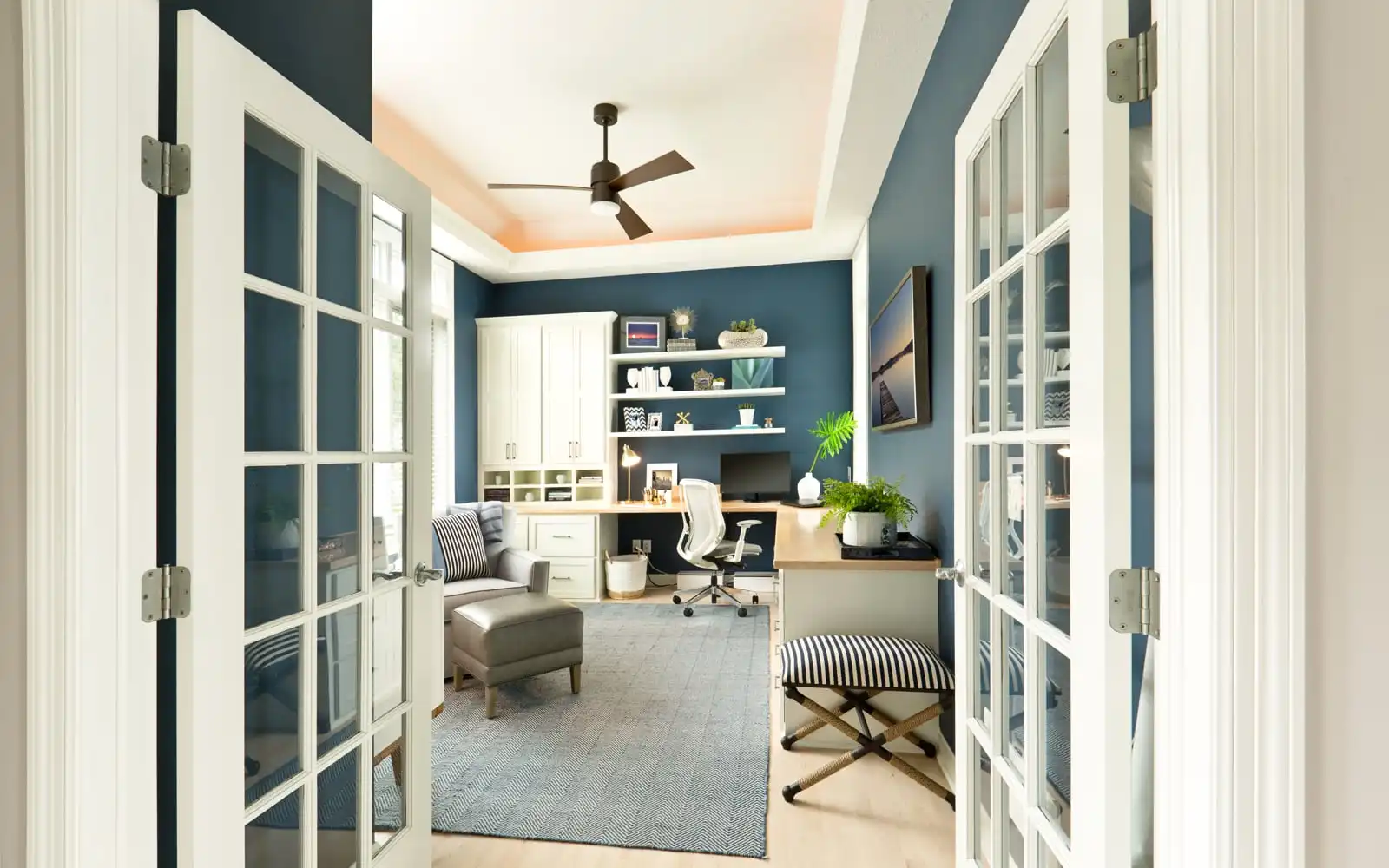
Cover photograph illustrates a home office viewed in daylight; it is not a current listing.