

One Cost Other Buyers Pay That You Don’t
If you’ve ever looked into buying a home in Ontario, British Columbia, or Quebec, you’ve probably come across the term “land transfer tax.” It’s a lump-sum tax paid at closing — and in many provinces, it can add thousands of dollars to your purchase.
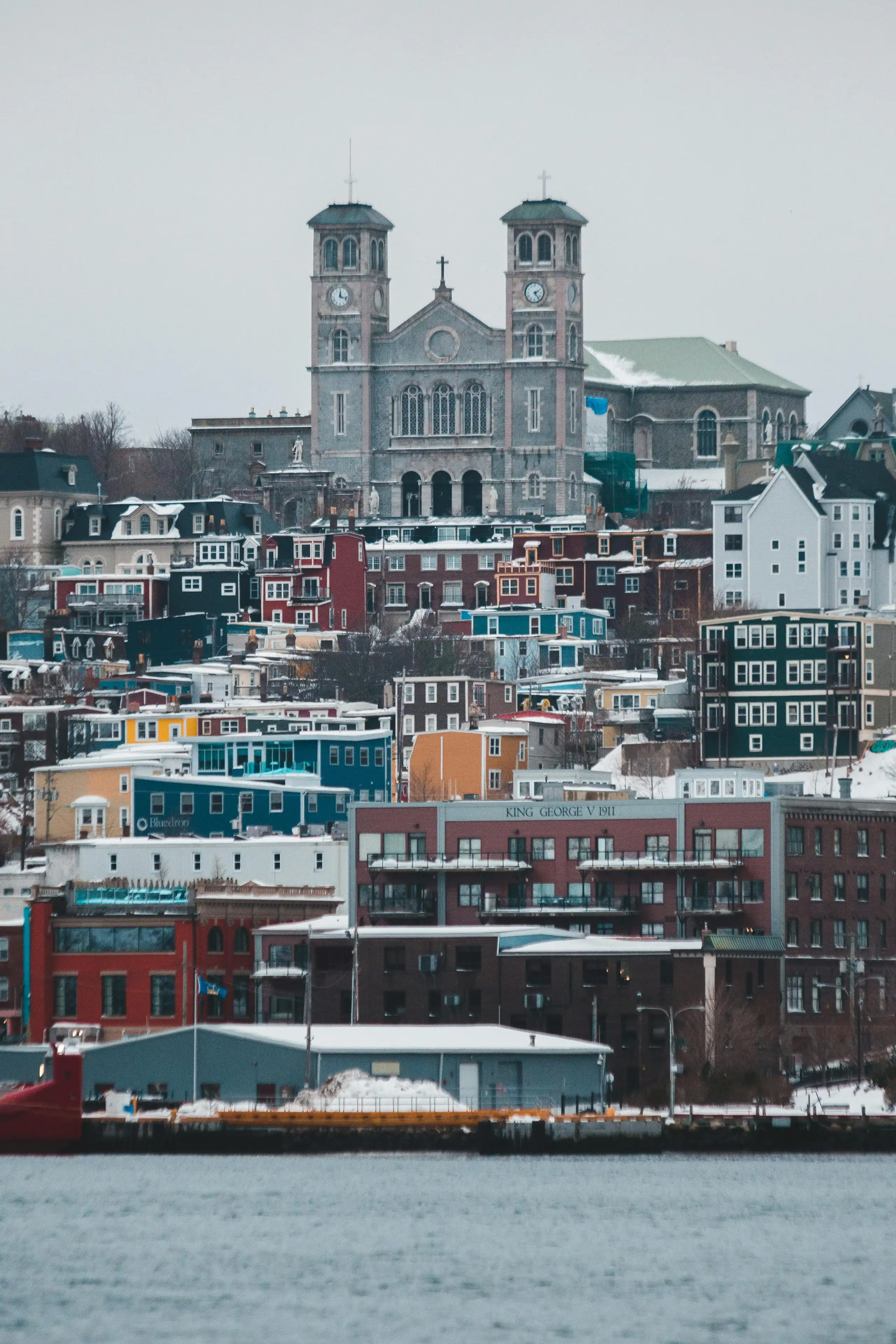
Here in Newfoundland and Labrador, you don’t pay it.
That’s not a loophole or a first-time buyer perk. It’s simply how it works here — and it’s one of the most overlooked financial advantages of buying in the St. John’s market.
What Is Land Transfer Tax?
Land transfer tax (sometimes called property transfer tax) is a fee charged by most provincial governments when ownership of a property changes hands. The buyer pays it at closing, typically as a percentage of the purchase price.
Most provinces in Canada levy a land transfer tax, with Alberta and Saskatchewan being the notable exceptions — though those provinces charge smaller registration fees in lieu of a full tax. Ratehub Newfoundland and Labrador similarly does not impose a provincial land transfer tax, which puts NL buyers in a meaningful financial advantage compared to buyers in much of the country.
What Buyers Pay in Other Provinces
To put it in perspective, here’s a rough sense of what land transfer tax looks like elsewhere on a $500,000 purchase:
- Ontario: Approximately $6,475 in provincial land transfer tax. Buyers in Toronto pay this twice — once provincially and again as a municipal land transfer tax — effectively doubling the amount owed. Ratehub
- British Columbia: Approximately $8,000, with higher rates applying to luxury properties.
- Quebec: Known locally as the “welcome tax,” typically around $6,000–$7,500 depending on the municipality.
- Manitoba: Approximately $6,500.
- New Brunswick: A flat 1% real property transfer tax Smarter, so roughly $5,000 on a $500,000 purchase.
None of these apply when you buy in Newfoundland and Labrador.
What This Saves You in Real Numbers
On a $500,000 home in St. John’s, you’re looking at roughly $6,000–$8,000 in savings compared to buying the same home in Ontario or BC. On a $700,000 purchase, that gap widens even further.
That’s money that stays in your pocket — or goes toward your down payment, closing costs, or moving expenses.
What You Do Pay at Closing in NL
No land transfer tax doesn’t mean no closing costs. Buyers in Newfoundland and Labrador should budget for:
- Legal fees — Closings in NL are handled by a real estate lawyer, and legal fees are a notable line item. Budget $1,500–$2,500+ depending on the complexity of the transaction.
- Home inspection — Typically $600–$800.
- Title insurance — Usually arranged through your lawyer; a few hundred dollars.
- Mortgage default insurance — If your down payment is less than 20%, CMHC premiums apply.
- HST on new construction — If you’re buying a brand new home, HST applies. This does not apply to resale properties. HST is incorporated with the showing list price.
The absence of land transfer tax makes NL’s overall closing cost picture quite favorable compared to most Canadian provinces — but it’s still important to go in with a realistic budget.
A Question Worth Asking Before You Buy
One of the most common questions I hear from buyers relocating from Ontario or BC is: “When do I pay the land transfer tax?” The answer here is: you don’t. And for many buyers, that comes as a genuine surprise.
If you’re budgeting for a home purchase in the St. John’s area and want a clear picture of what your actual closing costs will look like, reach out — I’m happy to walk you through the numbers specific to your situation.
📞 (709)687-7726 📧 relliott@royallepage.ca
Ryan Elliott | Royal LePage