

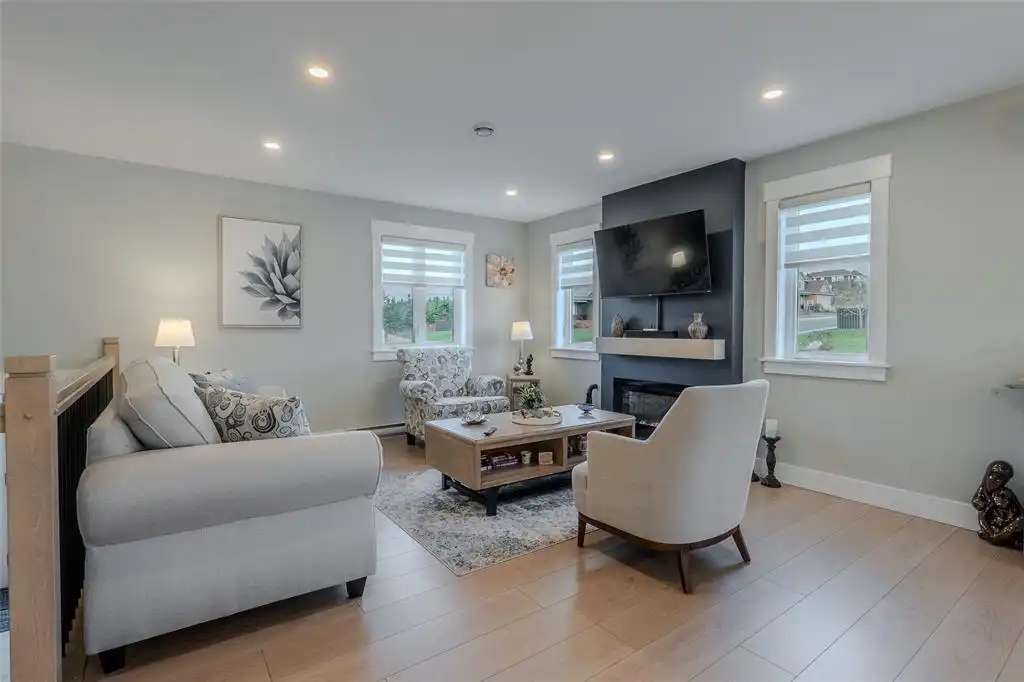
If you are downsizing in St. John’s, decide what your belongings need to do before deciding how much of them you can fit into a smaller home. Moving everything first can leave you paying to transport items that immediately need another destination.
The useful question is not whether the next house has fewer rooms. It is whether your important routines—and the possessions that support them—have a sensible place in it.
Begin with the activities you want to keep
Make a short list of what matters: hosting Sunday dinner, working on a hobby, having family stay overnight or keeping outdoor equipment. Give each activity a realistic space requirement.
That does not mean every activity needs its own room. It means you should make the compromise deliberately. A guest room that also holds a desk may work well; a room so full that neither function works is a different outcome.
Our guide to choosing a home that makes life easier helps you set the priorities before making a shortlist.
Measure the furniture you actually want to keep
Record the width, depth and height of the important pieces. Include the space needed to pull out chairs, open drawers and walk around a bed. A room that technically holds a sofa may still feel awkward once the rest of the furniture arrives.
Keep the measurements on one page so you can compare homes consistently. Mark an item as essential, replaceable or undecided. This prevents one oversized piece from quietly making the whole housing decision for you.
Check the route into the room
The room dimensions are only half the job. Ask about doorways, hallways, stairs and turns along the delivery route. For a condo, check the building’s moving arrangements and any relevant access restrictions before committing to a moving plan.
Ask your mover to assess unusually large, heavy or awkward items. Do not assume a piece can be dismantled or lifted through another opening simply because it fitted into your current home years ago.
Give storage a job
Instead of asking whether there is enough storage, name what needs storing. Winter outerwear, suitcases, holiday decorations, tools and sports equipment have different requirements.
For each category, ask where it will go, how often you need it and whether retrieving it will be convenient. Storage that you find difficult to reach may not solve the problem you are moving to address.
If you are considering a condo, confirm which storage belongs to the unit and what rules apply. Our condo questions for downsizers cover the wider ownership questions.
Make the release plan before moving week
Sort items into keep, offer to someone, sell or donate, and dispose of appropriately. Give undecided items a review date. Confirm that recipients actually want the belongings before planning around their acceptance.
Get quotes for moving and any temporary storage you may need. If storage is only a short-term solution, write down what will end it. An open-ended storage plan can postpone the decisions you hoped downsizing would resolve.
Bring a simple fit sheet to showings
Use one page with your essential furniture measurements, activities to preserve, storage needs and delivery questions. Leave space for unresolved details. You will have a better basis for comparison than a memory of which living room felt largest.
Planning a smaller home in St. John’s, Mount Pearl, Paradise or CBS? Call or text Ryan Elliott at 709-687-7726. Tell me what you want less of and which parts of your current lifestyle you want to keep, and we can build a focused shortlist.
Ryan Elliott, REALTOR® | Royal LePage Vision
Planning reference reviewed October 8, 2026: CMHC — Homebuying Step by Step.